





Which off grid inverter is best for home solar systems?
- Comprehensive Guide to Off-Grid Inverters for Home Solar Systems
- 1. What is an off-grid inverter, and how does it function?
- 2. How do I determine the appropriate power capacity for my off-grid inverter?
- 3. What are the key features to consider when choosing an off-grid inverter?
- 4. How do I maintain my off-grid inverter for optimal performance?
- 5. What are the advantages of choosing Congsin off-grid inverters?
Comprehensive Guide to Off-Grid Inverters for Home Solar Systems
When considering an off-grid solar system for your home, selecting the right inverter is crucial for efficient energy conversion and system reliability. Below are key questions and answers to guide your decision-making process.
1. What is an off-grid inverter, and how does it function?
An off-grid inverter is a device that converts direct current (DC) electricity from solar panels or batteries into alternating current (AC) electricity, which is used to power household appliances. Unlike grid-tied inverters, off-grid inverters operate independently of the electrical grid, providing a self-sufficient power solution. They often include features like battery charging and energy management to ensure a continuous power supply.
2. How do I determine the appropriate power capacity for my off-grid inverter?
To select an inverter with the right power capacity, calculate the total wattage of all devices you intend to run simultaneously. For example, if you plan to operate two fans (70W each), a refrigerator (160W), and a television (100W), the total required power would be:
(70W × 2) + 160W + 100W = 400W
It's advisable to choose an inverter with a capacity that exceeds your peak load to accommodate startup surges from appliances like refrigerators or air conditioners.
3. What are the key features to consider when choosing an off-grid inverter?
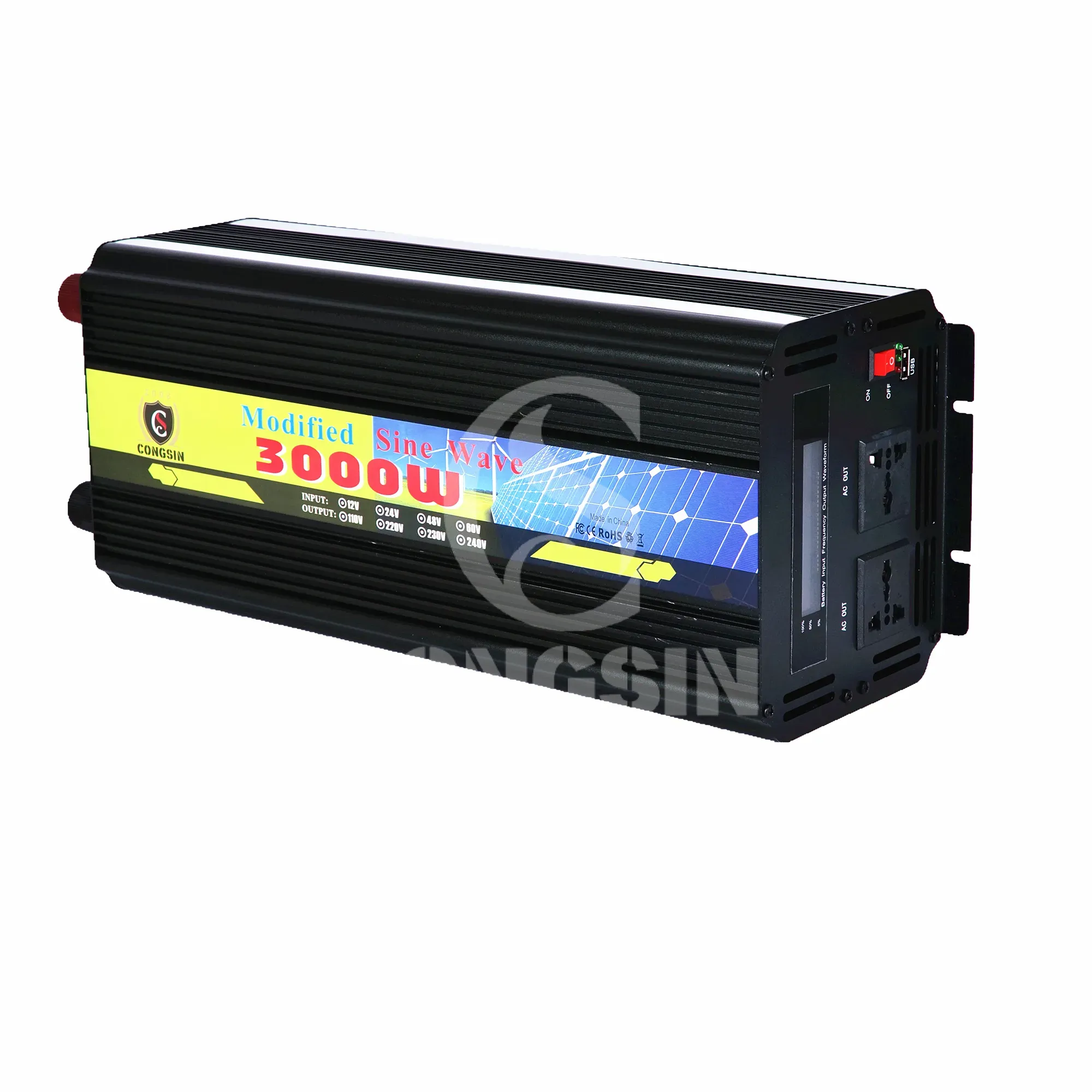
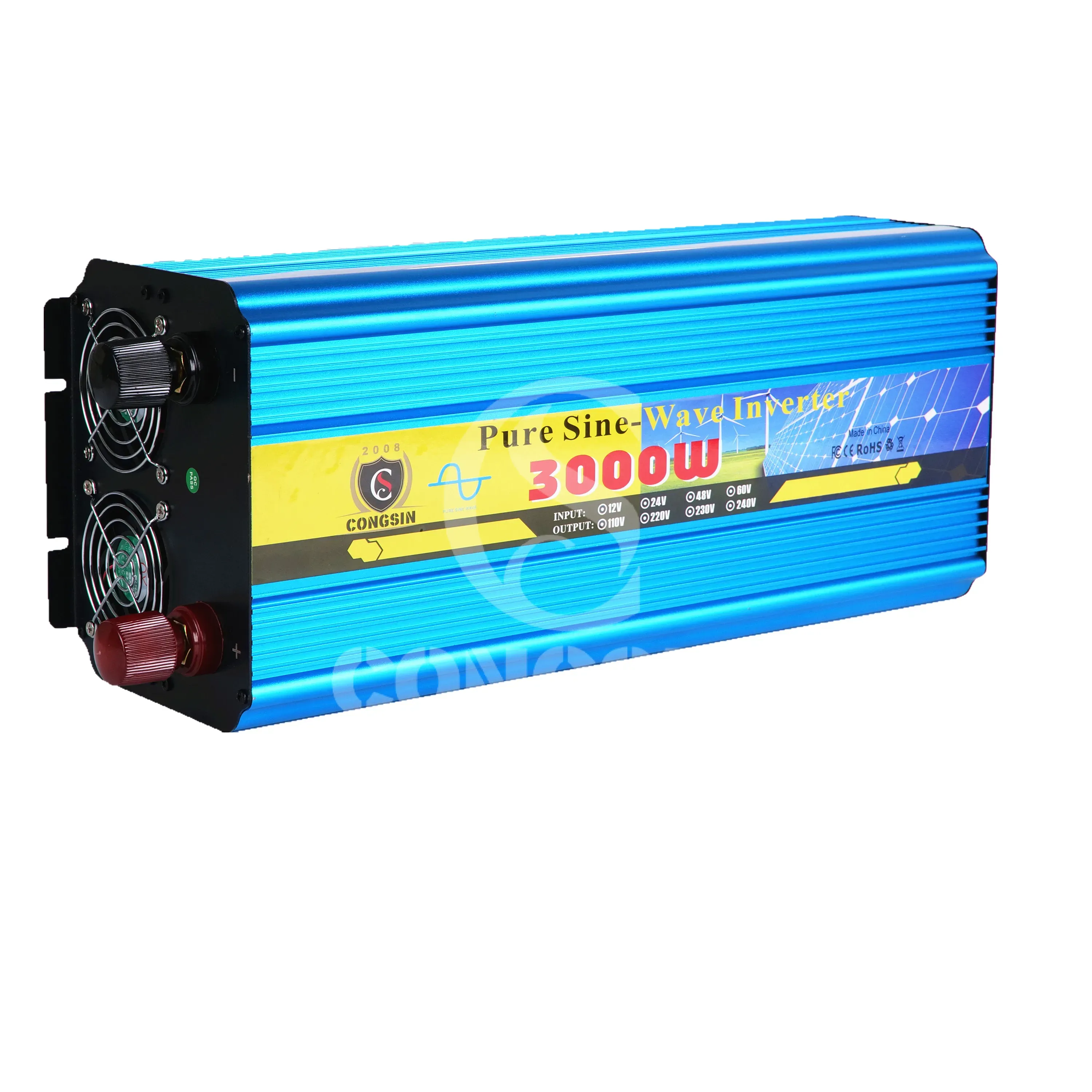
Waveform Type: Pure sine wave inverters provide clean and stable power, suitable for sensitive electronics, while modified sine wave inverters are less expensive but may not be compatible with all devices.
Battery Compatibility: Ensure the inverter is compatible with your battery type (e.g., lithium-ion or lead-acid) to optimize performance and lifespan.
MPPT Efficiency: Maximum Power Point Tracking (MPPT) technology optimizes solar energy harvesting. Inverters with high MPPT efficiency (ideally up to 98%) can maximize energy collection.
Expansion Capability: If you plan to expand your system in the future, select an inverter that allows for easy scaling or parallel operation.
4. How do I maintain my off-grid inverter for optimal performance?
Regular Cleaning: Periodically remove dust and debris from the inverter to prevent overheating.
Firmware Updates: Check for and apply firmware updates to enhance functionality and security.
Annual Inspections: Conduct yearly inspections to identify and address potential issues before they affect system performance.
5. What are the advantages of choosing Congsin off-grid inverters?
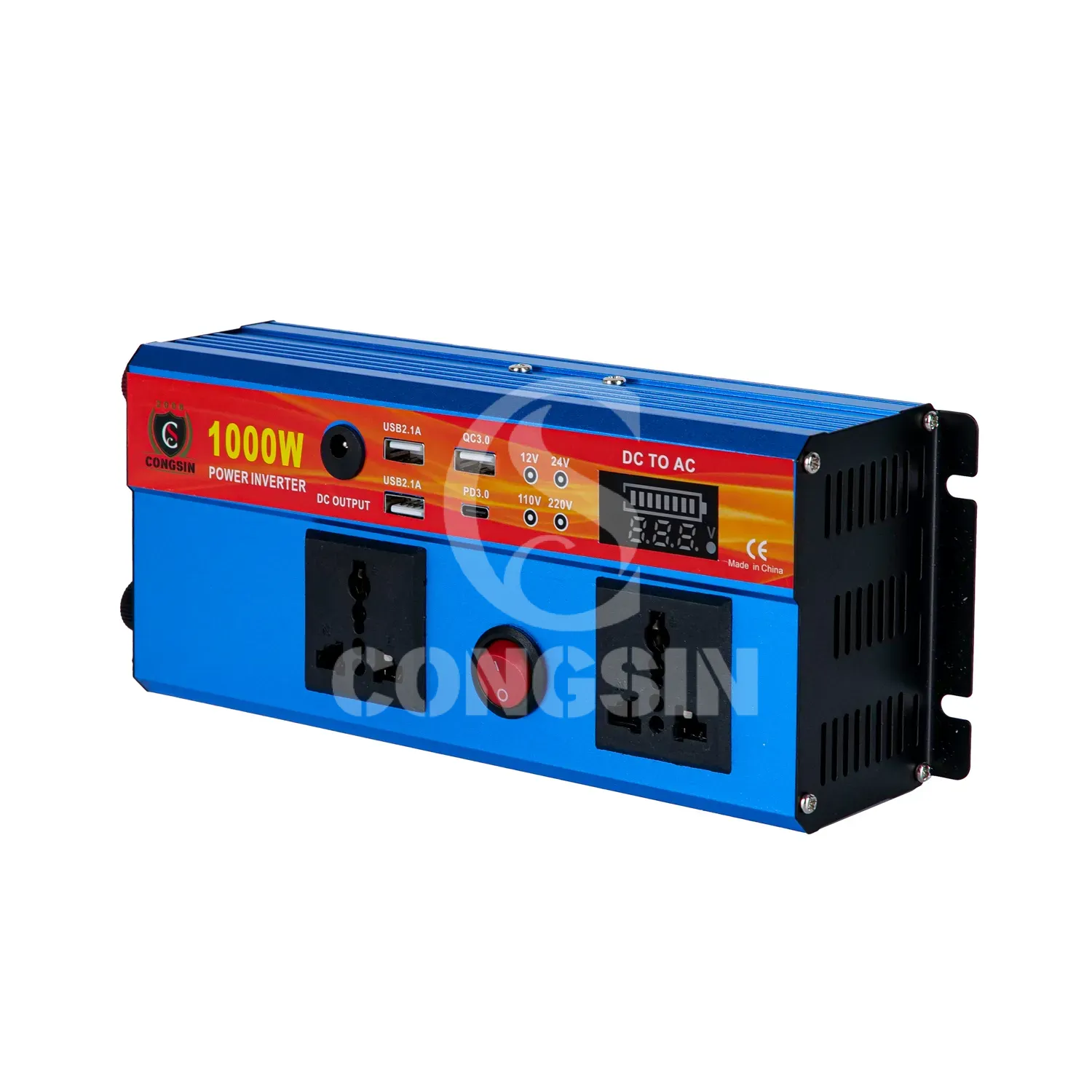
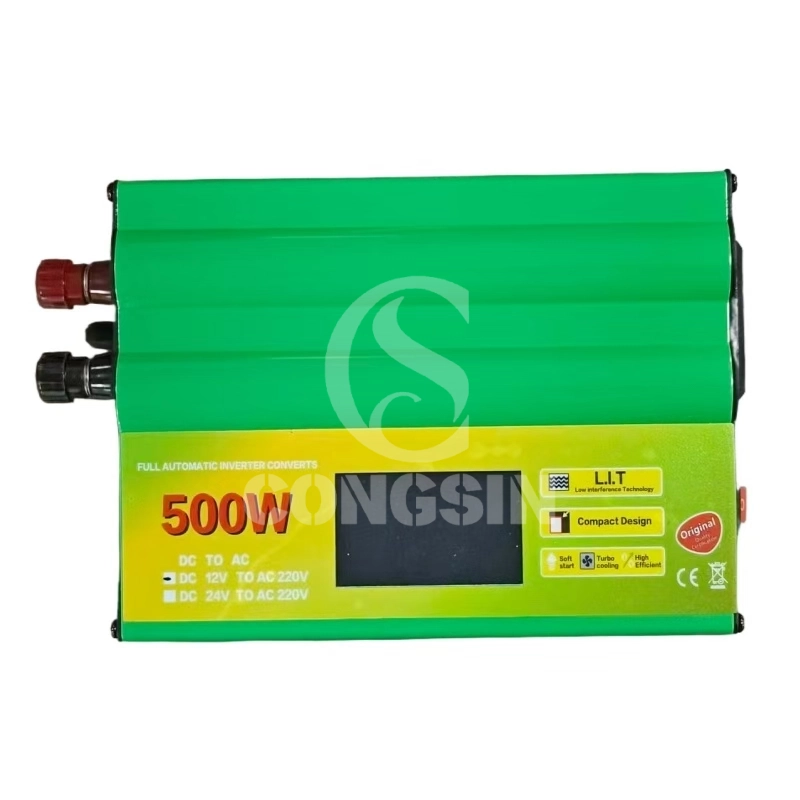
Congsin offers a range of off-grid inverters designed for high efficiency and reliability. Their products feature advanced MPPT technology, ensuring optimal energy conversion. Additionally, Congsin provides comprehensive after-sales support, including extended warranty options and responsive customer service, to ensure long-term satisfaction with your solar power system.
By carefully considering these factors, you can select an off-grid inverter that meets your home's energy needs and supports a sustainable and independent power solution.


Modified Sine Wave Inverters
What capacity battery can be used with it?
It is recommended to use a 12V 100Ah-200Ah lead-acid battery or lithium battery; the larger the battery capacity, the longer the UPS power supply time (e.g., a 100Ah battery can support a 100W device to work continuously for about 10 hours).
What is the benefit of the UPS function? A2:
It automatically switches to battery power when AC fails.
Can other input voltages be customized?
Yes, the regular is DC12V, and DC24V, etc. can be customized. Please consult customer service for details.
What is the working principle of the UPS function?
When the external power supply is normal, the inverter powers the device and charges the battery; when the external power supply is interrupted, it automatically switches to battery power to ensure uninterrupted operation of the device.
Distributor
Do you provide marketing and sales materials?
Yes, we provide a range of marketing resources, including brochures, digital content, and product training.
Get in Touch with Our Team
You can also communicate with us directly through our online contact form. Please fill in the following information, and our team will contact you as soon as possible after receiving your message.

CONGSIN is a trusted OEM factory for power inverters, solar charge controllers, and DC converters. Reliable solutions for global B2B buyers.
 High Quality
 7/24 Service
 Guaranteed Warranty
© 2025 Congsin. All Rights Reserved.